Header Logo
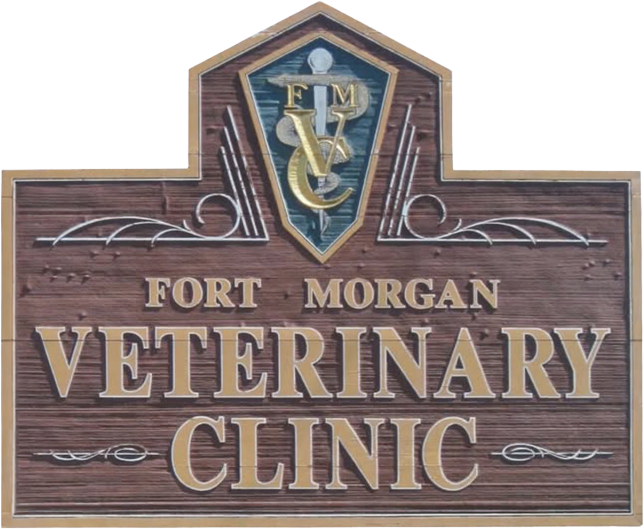
Raising a Livestock Guardian Dog: What Every Owner Should Know

A great livestock guardian dog is much more than another farm dog. These hardworking companions become trusted partners, protecting sheep, goats, alpacas, llamas, poultry, and other livestock around the clock. Raising a successful livestock guardian dog takes patience, consistency, and the right management from the very beginning. At Fort Morgan Veterinary Clinic, your trusted Fort Morgan, CO veterinary clinic, we work with farmers and ranchers who depend on healthy working dogs every day, also serving Wiggins, CO, Brush, CO, and Morgan County, CO. Whether you’re bringing home your first guardian puppy or adding an experienced adult to your Northeast Colorado operation, thoughtful planning helps build a confident, dependable protector.
Unlike herding dogs or household pets, livestock guardian dogs have been bred for generations to live alongside livestock and make independent decisions. Understanding how to raise a livestock guardian dog, providing the best care for livestock guardian dogs, investing time in training them, and following practical health tips for livestock guardian dogs all help these remarkable dogs succeed throughout their working lives.
What Makes a Livestock Guardian Dog Different?
Livestock guardian dogs have been selectively developed for centuries to bond with livestock rather than people. Their instinct is to observe, patrol, deter predators, and remain calm around the animals they protect. Unlike herding breeds that move livestock from place to place, guardian dogs generally stay with the flock or herd and focus on keeping it safe.
Common livestock guardian breeds include the Great Pyrenees, Anatolian Shepherd, Akbash, Maremma Sheepdog, Komondor, and several others. Many farms also have successful mixed-breed guardian dogs that display the same instincts.
One interesting fact is that well-trained livestock guardian dogs often deter predators simply by their presence. Coyotes, foxes, and stray dogs often avoid livestock protected by an attentive guardian.
Choose the Right Dog for Your Operation
Every farm has unique needs.
A family with a small group of backyard goats may require a different guardian than a ranch protecting hundreds of sheep across large pastures. Consider the size of your property, the type of livestock you raise, local predator pressure, fencing, and your management style before choosing a dog.
Temperament is equally important. Look for dogs from working bloodlines with calm, confident personalities rather than excessive aggression. The goal is a thoughtful guardian that protects livestock without causing unnecessary stress.
Selecting the right dog is the first step in successfully raising a livestock guardian dog.
Bonding With Livestock Comes First
Perhaps the biggest difference between guardian dogs and traditional pets is where their strongest bond should develop.
Young guardian puppies should spend supervised time with the livestock they are expected to protect. This teaches them to view sheep, goats, alpacas, or other animals as family members rather than playmates or prey.
That does not mean puppies should be left unsupervised too early. Young dogs still require guidance while they learn appropriate behavior around livestock.
Gentle handling by people remains important, but the strongest daily relationship should develop with the animals the dog will eventually guard.
Training Begins Earlier Than Many Owners Realize
Successful training livestock guardian dogs starts long before adulthood.
Early lessons include basic manners, coming when called, walking on a leash, accepting veterinary examinations, riding in a trailer or vehicle, and remaining calm during handling.
Just as importantly, puppies must learn appropriate behavior around livestock. Chasing, rough play, or excessive excitement should be redirected immediately before those habits become established. Ideally, pups should be paired with a more experienced LGD that can show them the ropes.
Short, positive training sessions generally produce better results than long, repetitive drills.
Socialization Still Matters
Guardian dogs should be comfortable around people without becoming overly dependent on human attention.
Introduce puppies to a variety of normal farm experiences, including tractors, trailers, gates, feeding equipment, veterinary visits, and different weather conditions. Calm exposure helps build confidence while reducing unnecessary fear later in life.
Proper socialization also makes routine healthcare, grooming, transportation, and emergency handling much easier throughout the dog’s lifetime.
A confident guardian is generally more effective.
Nutrition Fuels a Working Dog
Good nutrition is an important part of the best care for livestock guardian dogs.
These large breeds often continue growing well into their second year of life. Feeding a balanced diet that supports steady growth helps promote healthy bones, joints, muscles, and overall development.
Fresh, clean water should always be available. This is especially important during Colorado’s hot summers and dry conditions. Working dogs that patrol large pastures may require additional calories depending on activity level, weather, and body condition.
Routine body condition assessments help determine whether nutritional adjustments are needed as the seasons change.
Provide Safe Shelter
Although livestock guardian dogs are bred to work outdoors, they still need appropriate shelter.
A sturdy, well-drained shelter protects against rain, snow, high winds, and intense summer sun. Bedding should remain clean and dry, particularly during Colorado’s colder months.
Position shelters where dogs can observe the livestock they protect. Guardian dogs are naturally watchful and generally prefer locations that allow them to monitor their surroundings.
Comfortable working conditions support healthier, happier dogs.
Routine Veterinary Care Supports a Long Working Life
Working dogs depend on good health to perform their jobs.
Regular wellness examinations allow your veterinarian to monitor growth, body condition, joint health, parasite prevention, dental health, vaccination recommendations, and overall fitness. Routine livestock guardian dog health tips also include monitoring feet, ears, skin, and coat for injuries or developing problems.
Preventive veterinary care helps identify concerns before they interfere with your dog’s ability to protect your livestock.
Exercise Comes Naturally, but Rest Is Still Important
Most livestock guardian dogs get plenty of exercise simply by patrolling their territory throughout the day and night.
Unlike highly active sporting breeds that require structured exercise sessions, guardian dogs stay active and busy by monitoring livestock, checking fence lines, and responding to activity around the farm. Of course, every working dog also needs periods of uninterrupted rest.
A tired guardian is not as alert. Providing a quiet place to rest near the animals allows your dog to recover while staying close to the flock or herd they protect.
Monitor Behavior as Your Dog Matures
Guardian dogs typically become more dependable as they mature. Young dogs often test boundaries as they learn their role.
Occasional mistakes are part of the learning process. Calm, consistent correction is usually much more effective than harsh discipline. Watch for behaviors such as chasing livestock, excessive barking, digging under fences, or rough play. Addressing these habits early helps prevent them from becoming long-term problems.
Remember that every dog develops at its own pace. Some become trustworthy guardians relatively quickly, while others require additional time and supervision.
Fence Maintenance Protects Everyone
Even the best livestock guardian dog cannot do the job if fencing is inadequate.
Walk fence lines regularly to check for loose wire, broken posts, damaged gates, or openings wildlife may have created. Good fencing keeps livestock safe while allowing your guardian dog to patrol the property without wandering.
Maintaining secure fencing also reduces encounters with neighboring livestock, pets, and traffic, helping keep both your guardian dog and the surrounding community safe.
Seasonal Care for Guardian Dogs
Every season presents different challenges for working dogs.
Summer requires access to shade and plenty of fresh water to help prevent overheating. Winter brings snow, ice, and freezing temperatures, making dry shelter and regular monitoring of body condition especially important.
Spring and fall are excellent times to inspect paws, check coats for burrs or mats, and review parasite prevention with your veterinarian. Adjusting care throughout the year is one of the simplest livestock guardian dog health tips you can follow.
Guardian Dogs Need Regular Health Checks
Because guardian dogs often spend much of their time outdoors, small injuries can occasionally go unnoticed.
During daily chores, take a few moments to examine your dog’s eyes, ears, paws, skin, and coat. Look for cuts, ticks, foxtails, limping, weight changes, or anything unusual.
Routine observation also helps you recognize changes in attitude or appetite that may indicate illness. Catching problems early often allows treatment to begin before they interfere with your dog’s ability to work.
Working With Your Veterinarian Creates a Stronger Partner
Every farm is different, and every guardian dog has unique needs.
Routine veterinary visits allow you to discuss nutrition, parasite prevention, vaccination recommendations, orthopedic health, body condition, and any behavioral questions that arise as your dog matures. These visits also provide an opportunity to develop a preventive healthcare plan tailored to your property and livestock.
A personalized approach helps support a healthier, longer working life while allowing your guardian dog to continue protecting the animals that depend on them.
A Good Guardian Is Built Over Time
There is no shortcut to raising an outstanding livestock guardian dog.
Patience, consistency, thoughtful training, good nutrition, preventive healthcare, and daily observation all work together to build a dependable working partner. Following these principles for raising a livestock guardian dog helps create a calm, confident protector who becomes an invaluable member of your farm for years to come.
Spruce Pets has a good article on different breeds of livestock guardian dogs. Defenders of Wildlife also has a piece on livestock guard dogs.
FAQ
What is the job of a livestock guardian dog?
A livestock guardian dog is bred to live with and protect livestock from predators such as coyotes, stray dogs, and other threats. Rather than herding animals, guardian dogs stay with the flock or herd and use their presence, barking, and protective instincts to discourage predators.
Proper training and management help these dogs develop into reliable working partners.
How do you successfully raise a livestock guardian dog?
Learning how to raise a livestock guardian dog begins with early bonding to livestock, consistent training, good nutrition, routine veterinary care, and patient supervision. Young dogs should gradually learn appropriate behavior while spending time with the animals they will eventually protect.
Developing a dependable guardian takes time, but consistent management produces the best long-term results.
Do livestock guardian dogs still need veterinary care?
Yes. Routine veterinary care is an important part of the best livestock guardian dog care program. Wellness visits help monitor growth, parasite prevention, vaccination needs, orthopedic health, dental health, and overall fitness.
Healthy guardian dogs are better able to perform their important role protecting livestock throughout every season.
Can a livestock guardian dog also be a family pet?
Many guardian dogs enjoy spending time with their families, but their strongest bond should remain with the livestock they protect. Excessive time away from the herd may interfere with the dog’s working instincts and responsibilities.
With proper socialization and management, many guardian dogs are calm, gentle companions while remaining dedicated protectors of livestock.
Schedule a Wellness Visit for Your Livestock Guardian Dog at Fort Morgan Veterinary Clinic
A healthy guardian dog is one of the most valuable members of any livestock operation. If you’re searching online for a vet near me, Fort Morgan Veterinary Clinic proudly provides compassionate veterinary care for working dogs in Fort Morgan, CO, as well as other Northeast Colorado communities, such as Wiggins, CO, Brush, CO, and Morgan County, CO. Whether you have questions about livestock guardian dog health, nutrition, training, or preventive wellness, our veterinary team is here to help your hardworking companion stay healthy and ready to protect your herd. Contact us today to schedule a wellness appointment.
This blog is intended for informational purposes only and should not replace professional veterinary advice. Always consult your veterinarian for the appropriate diagnosis, treatment plan, and medical recommendations for your animals.
To read more about our Fort Morgan Veterinary Clinic, stop by our Service page. You’ll find more insight on the services we offer, which include large animal care, Wellness and Vaccinations, nutritional counseling, and more.
Pasture Management Tips for Healthier Horses and Livestock
Tick Season Is Here: How to Protect Dogs in Morgan County, CO
Is Your Cow Losing Body Condition? Here’s What to Check